
Engaging with the community to deliver educational programmes
Our instructional resources are extremely adaptable and may be utilised with a wide range of groups. The ICWU courses were developed in collaboration with community leaders and outreach organisations.
These materials are tailored for both adults and youth. They have been used successfully in educational environments to tackle contentious issues like tolerance, social justice, conflict resolution, and chemistry for peace.
Each session has been meticulously planned to demonstrate how it fits educational requirements, with varying learning results based on ability range.
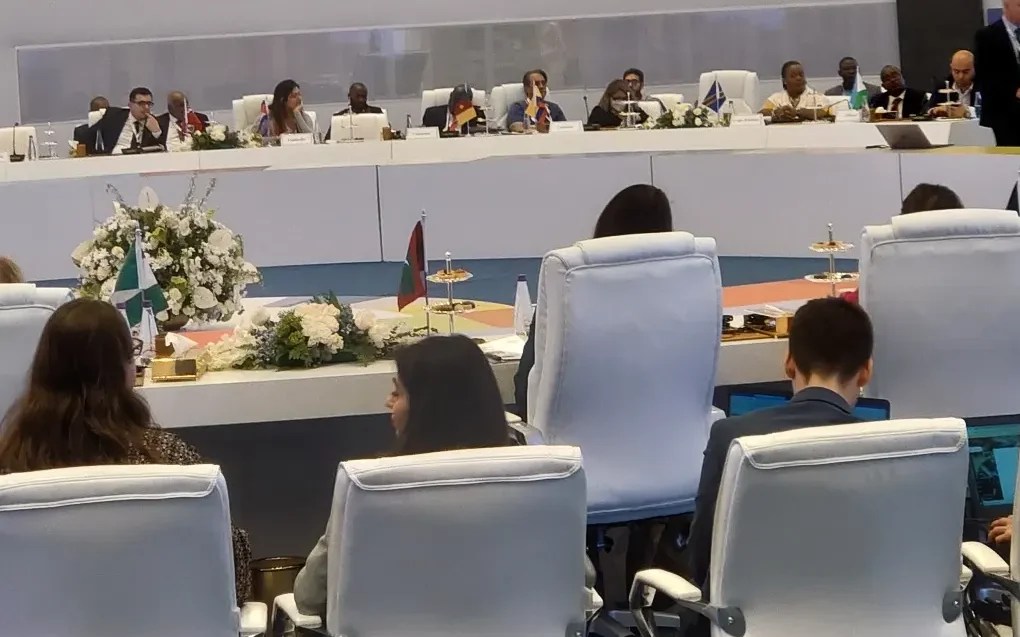
The ICWU round-tables and conferences bring together universities, colleges, and community organisations to share thoughts and views on how to put a stop to chemical weapon practices while also identifying the benefits of analytical chemistry.
Overview
The objective of the Educational Programme on Chemical Weapons is to offer a thorough awareness of the hazards connected with these lethal weapons. This programme is designed for anyone interested in learning more about chemical weapons, including their history, applications, and consequences. This seminar will address a variety of subjects, such as the effects of chemical weapons on humans, how to detect chemical weapons, and ways of defence against chemical strikes.
Module 1: Introduction to Chemical Weapons
In this session, learners will study about the history of chemical weapons, their origins, and their usage in past conflicts. They will also learn about the many kinds of chemical weapons and how they operate.
Module 2: Chemical Weapons’ Effects
This lesson will discuss the bodily impacts of chemical weapons. Participants will learn about the various chemical agents and the symptoms associated with their exposure. This session will also discuss long-term impacts, including bodily and mental harm.
Module 3: Identification of Chemical Weapons
Participants will learn about various chemical weapon identification techniques. This module will discuss the properties of several chemical agents and the indicators of a chemical assault.
Module 4: Protection Against Chemical Weapons
In this lesson, participants will learn how to defend themselves against chemical assaults using a variety of strategies. This will involve instruction on how to utilise protective equipment, such as gas masks, and other precautions to reduce the consequences of chemical agent exposure.
Module 5: Chemical Weapon Attack Response
This programme will provide learners with the information necessary to react to a chemical assault. Participants will learn how to limit the danger of exposure to chemical agents and how to respond appropriately during and after a chemical assault.
Summary
The Chemical Weapons Education Program will give a full grasp of the risks connected with chemical weapons. Participants will study the history, applications, and effects of chemical agents, as well as how to recognise and defend against chemical assaults. This session will give essential information to anyone who want to learn more about this crucial area.
 ICWU
ICWU 